Love the idea of a historic river town, but you also want a home that fits modern life? In Stillwater, you can have both. From Main Street’s brick storefronts and bluffside Victorians to quiet west‑side streets and nearby new builds, there’s a fit for nearly every lifestyle. In this guide, you’ll learn how the core neighborhoods compare on walkability, lot sizes, home styles, commute, and key tradeoffs so you can focus your search with confidence. Let’s dive in.
Why Stillwater stands out
Stillwater is a compact St. Croix River town with a distinct historic center and residential hills that rise above downtown. The river, bluffs, and trails shape daily life, and Main Street anchors dining, shopping, and seasonal events. If you love a lively, walkable scene, explore the core area around Stillwater’s Main Street and riverfront.
Commuting is straightforward for most residents. MN‑36 and a network of county roads connect you to the east metro and St. Croix Crossing. According to the ACS, Stillwater’s mean commute is about 20 minutes. That said, always test your drive at peak hours.
Downtown: walkable and historic
Downtown Stillwater is the brick‑lined heart of the city. It includes the riverfront commercial core and adjacent residential blocks within the locally designated Downtown Commercial Historic District, which is also on the National Register. The city’s Downtown Commercial Historic District guidelines shape exterior changes and design details.
Housing here is a mix: upper‑floor apartments, condo conversions, and a limited number of single‑family homes on compact city lots. Expect older foundations, retrofits, and ongoing maintenance. You trade yard size for access to restaurants, shops, trails, and river views.
- Best for: maximum walkability and being steps from the river.
- Tradeoffs: tourist‑season parking and foot traffic, plus design review for visible exterior work. If you’re near low‑lying areas, use the city’s revised flood maps as part of your due diligence.
North Hill and South Hill
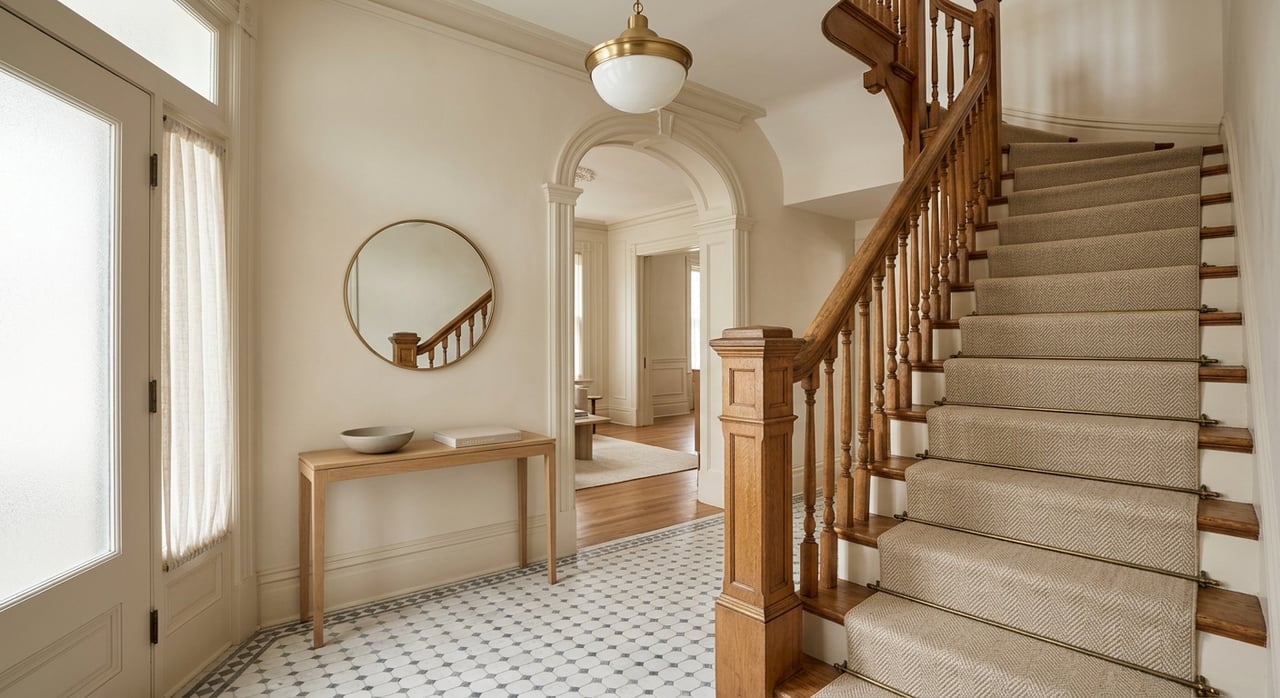
Perched above downtown, the Hills offer some of Stillwater’s most recognizable residential streets. You’ll see Victorian, Queen Anne, and early‑20th‑century homes, with South Hill especially known for grand properties and dramatic river‑view overlooks. For context on the area’s historic fabric, the city maintains neighborhood history pages.
Lot sizes vary widely. Many in‑town parcels run below 0.2 acre, with exceptions up to roughly 0.6 acre. You may encounter older systems and, in some pockets, design‑review steps for visible exterior changes. The city also uses a Neighborhood Conservation District approach to guide compatible infill in older areas.
- Best for: architectural character, potential river/bluff views, and walkability via stairs and trails.
- Tradeoffs: steeper topography that can affect winter access, possible higher upkeep, and potential preservation reviews.
Croixwood and west‑side suburbs
West of the downtown bowl, neighborhoods like Croixwood were built mainly from the post‑war era through the 1980s. Streets are tree‑lined and gently winding, and the vibe leans quiet and residential. You’ll be convenient to shopping nodes and MN‑36 without the bustle of downtown.
Homes tend to sit on lots around 0.25 to 0.4 acre, with many interiors updated over time. You gain yard space, garages, and easier day‑to‑day living without the considerations that come with historic construction.
- Best for: larger yards, lower routine maintenance, and quieter streets.
- Tradeoffs: fewer river views and less walkability to Main Street amenities.
Oak Glen and near‑town pockets
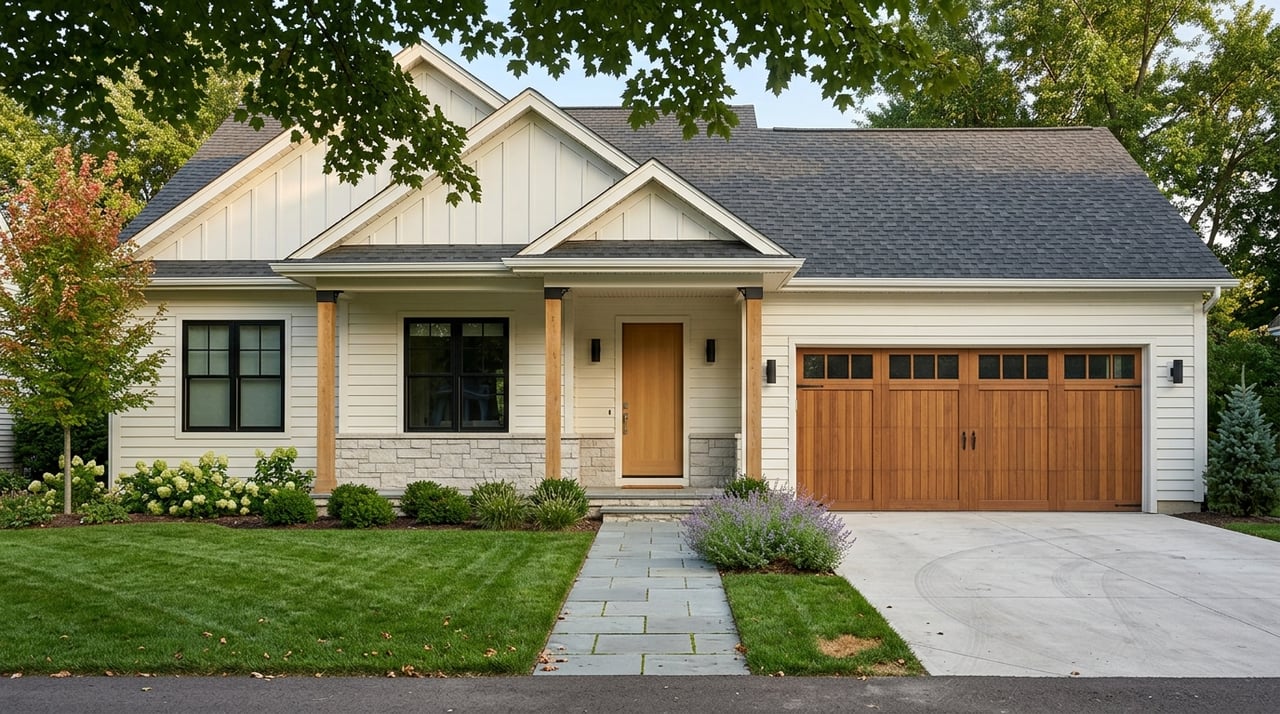
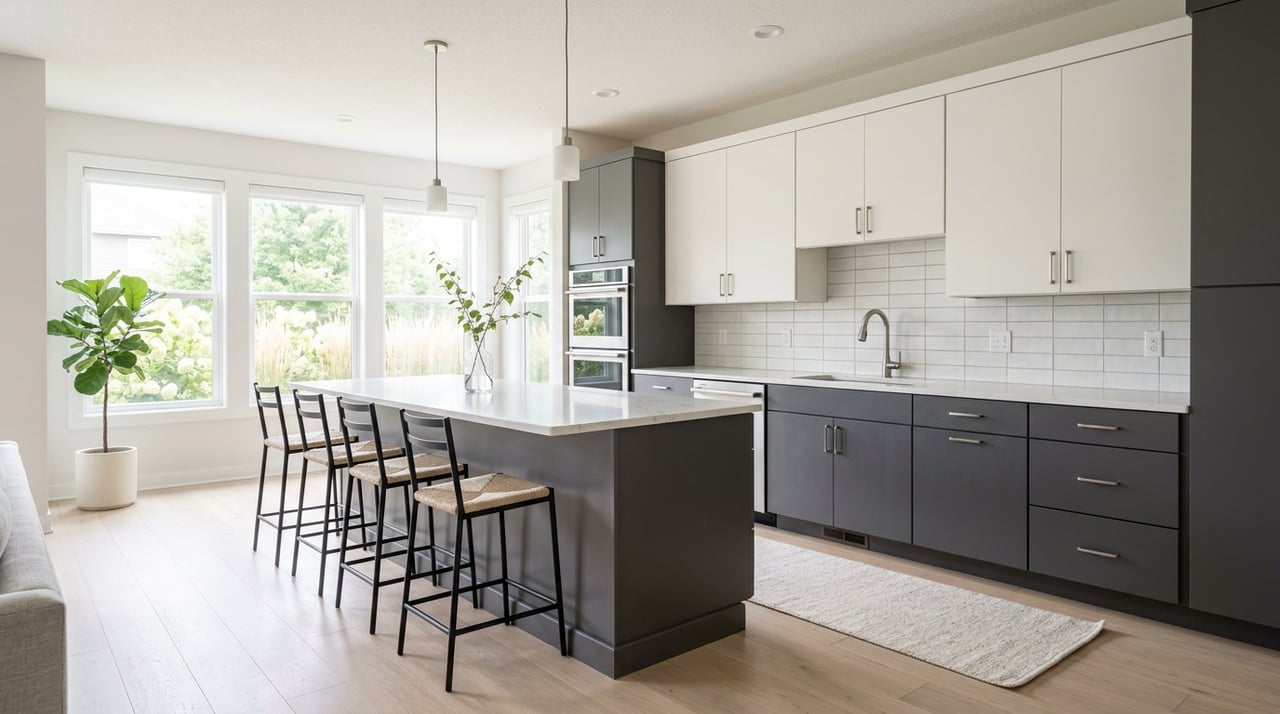
Just outside the historic core, pockets like Oak Glen offer newer or newly remodeled homes with contemporary floor plans while keeping you close to downtown. Many builds date to the 1980s and 1990s, often with open layouts, generous primary suites, and updated finishes.
Lots commonly range from about 0.25 to 0.4 acre, giving you outdoor space for play, gardening, or entertaining. These areas often deliver a nice balance: near‑town access without the more stringent downtown design constraints.
- Best for: modern layouts near the core and manageable yards.
- Tradeoffs: less walkable than downtown and fewer vintage façades.
New builds near Stillwater
If you want a brand‑new home, expand your search to nearby Lake Elmo and West Lakeland. Master‑planned communities such as Easton Village, Royal Club, North Star, and Wildflower offer contemporary floor plans, energy updates, and neighborhood amenities. Product types span from attached townhomes to single‑family homes on roughly 0.25 to 0.5+ acre lots, with larger estate options in some luxury enclaves.
Many of these neighborhoods are considered part of the broader Stillwater area search footprint, and some fall within Stillwater Area Public Schools (ISD 834). Always verify school assignment for a specific address.
- Best for: turnkey finishes, open‑concept living, and often quicker highway access.
- Tradeoffs: HOA rules/fees and less of the historic, walkable Main Street vibe.
Rural estates and acreage
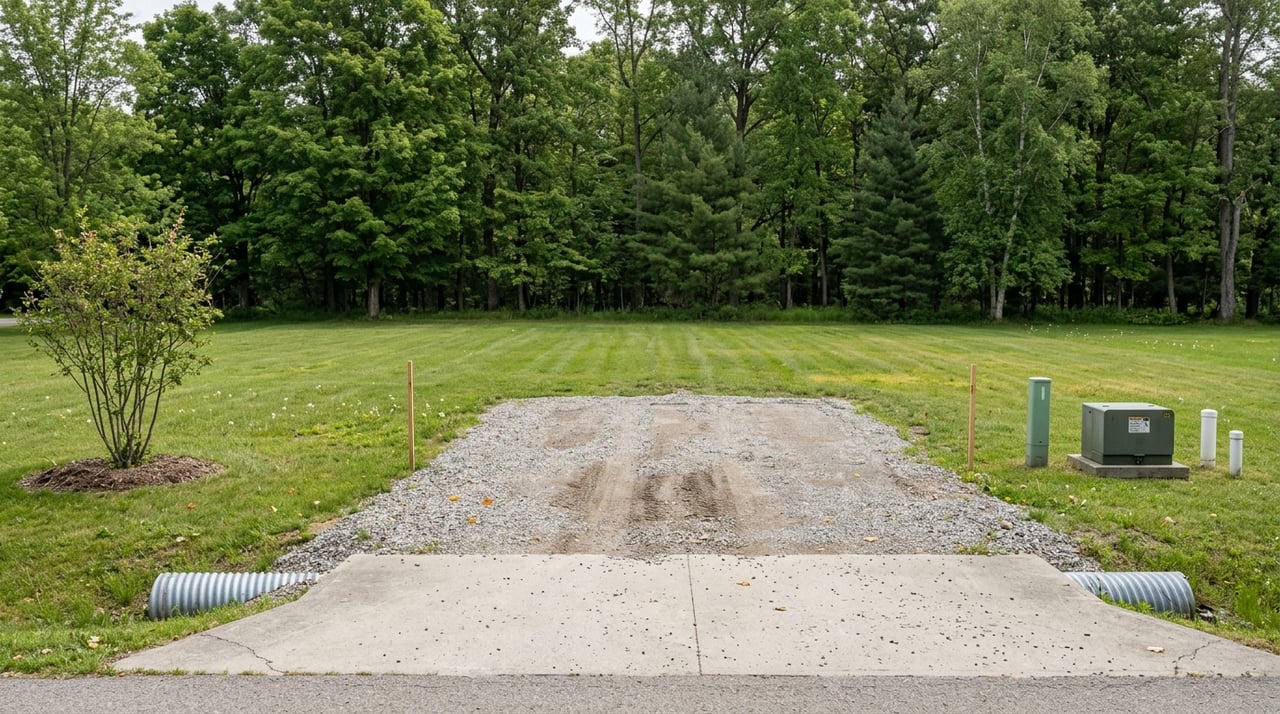
Outside the immediate city, you’ll find acreage homes and executive‑style tracts marketed to buyers seeking privacy while staying a short drive from downtown. These homes are typically custom or semi‑custom, with half‑acre parcels and larger.
- Best for: privacy, space, and custom features.
- Tradeoffs: more maintenance and limited walkability.
How to choose quickly
Use this simple guide to narrow your search:
- You want walkable dining, shops, and river access: consider Downtown, South Hill, and North Hill.
- You prefer larger yards and easy living: look to Croixwood and other west‑side established neighborhoods, plus Oak Glen.
- You need newer systems and modern layouts: focus on Lake Elmo and West Lakeland master‑planned communities.
- You’re after river or bluff views: target select pockets on the Hills and a few river‑adjacent properties; expect limited inventory.
Commute and routing tips
- Primary corridors: MN‑36 and county roads, with St. Croix Crossing easing east‑west movement.
- Drive time: The mean commute is about 20 minutes, but test your route at the times you plan to travel.
- Hills vs. valley: Steeper hill streets can change winter driving patterns. Consider garage access and snow storage.
Smart checks before offers
Before you write, work through these essentials:
- Historic review: If you’re near downtown or in older pockets, confirm whether exterior changes require permits under the Downtown Commercial Historic District guidelines or neighborhood conservation standards.
- Flood and topography: For properties near the river or low‑lying areas, consult the city’s revised flood maps. Most of the city is outside the 1 percent annual‑chance floodplain, but verify by parcel.
- Parcel and lot size: Confirm lot dimensions and setbacks through county parcel data and the MLS. Compare space needs for your vehicles, play areas, and outdoor projects.
- Schools: Many Stillwater‑area neighborhoods are served by Stillwater Area Public Schools (ISD 834). Verify school boundaries per address with the district, since assignments can change.
- Seasonal tests: Visit at different times and seasons to understand traffic, noise, slope, and sun exposure.
Work with local experts
Choosing between a Main Street condo, a South Hill classic, a Croixwood two‑story, or a Lake Elmo new build comes down to your lifestyle priorities. You do not need to navigate that alone. The Platinum Real Estate Team pairs boutique, luxury‑grade marketing with calm, step‑by‑step guidance, backed by Coldwell Banker resources and a proven St. Croix Valley track record. When you are ready, we will help you compare neighborhoods, tour smartly, and negotiate with confidence.
FAQs
Are Stillwater’s historic areas subject to extra rules?
- Yes. Downtown is a locally designated historic district with exterior design review, and older residential pockets may follow conservation guidelines. Review the city’s Downtown Commercial Historic District guidelines before planning visible exterior changes.
Where are the newest homes near Stillwater?
- Most large‑scale new construction is in neighboring Lake Elmo and West Lakeland in master‑planned communities that offer contemporary layouts and amenities. Many are considered within the Stillwater area search footprint.
How big are typical Stillwater lots?
- Downtown and the Hills often have in‑town parcels under 0.2 acre, with some larger exceptions. Established suburbs like Croixwood and Oak Glen commonly run about 0.25 to 0.4 acre. New developments vary from attached homes to 0.25–0.5+ acre single‑family lots and occasional estate parcels.
What is the average commute time for residents?
- The ACS estimates Stillwater’s mean commute at about 20 minutes. Test your route during your typical travel windows.
How do I check flood risk near the river?
- Use the city’s revised flood maps and confirm parcel‑level details. Many homes sit outside the 1 percent annual‑chance floodplain, but property‑specific verification is key.
Which schools serve Stillwater neighborhoods?
- Many Stillwater‑area homes are served by Stillwater Area Public Schools (ISD 834). Confirm the assigned schools for a specific address directly with the district, since boundaries can change.