If you own a historic home in Stillwater, you are not just selling square footage. You are selling craftsmanship, context, and a piece of the city’s story. That can create real opportunity in today’s market, but it also means buyers may look more closely at condition, documentation, and preservation details. In this guide, you will learn how to position your home thoughtfully, avoid common missteps, and market its character with confidence. Let’s dive in.
Why Stillwater historic homes stand out
Stillwater’s housing market is closely tied to its historic identity. According to the Washington County Historical Society, the city grew from a 19th-century lumber town into a place known for grand homes and notable Main Street buildings. That history still shapes how many buyers see the area today.
Your home may also sit within a more formal preservation framework. The Minnesota State Historic Preservation Office notes that Stillwater includes a National Register-listed historic district, a Neighborhood Conservation District, multiple design review districts, an eligible archaeological district, and many individually listed structures and sites. In practical terms, that can affect both pre-sale prep and a buyer’s future plans for the property.
Stillwater also actively highlights neighborhood history. The city’s neighborhood histories for areas like North Hill Original Town and South Hill Original Town show that architectural character is a recognized local asset. That gives sellers a strong foundation for marketing a historic home as something distinctive, not simply older.
What today’s market means for sellers
Current pricing shows that Stillwater remains an active market, but pacing matters. Redfin’s Stillwater market data reports a February 2026 median sale price of $459,500, up 10.5% year over year, with 78 median days on market and 12 homes sold. Zillow’s Stillwater page shows an average home value of $435,165 as of February 28, 2026, along with 33 homes for sale and 12 new listings.
These numbers are useful directional signals, but historic homes often behave a little differently than the broader market. In Downtown Stillwater, Redfin reports a February 2026 median sale price of $560,000, 173 median days on market, and a 97.3% sale-to-list ratio. The sample size was small, with only three sales, but it still suggests an important point: homes in the historic core may command stronger pricing while taking longer to connect with the right buyer.
For you, that means pricing and presentation need to work together. A historic home can attract serious interest, but buyers often expect a polished story, clear upkeep, and enough documentation to feel comfortable moving forward.
Prepare with preservation in mind
One of the biggest mistakes sellers make is over-updating a historic home before listing it. The National Park Service recommends retaining and preserving historic character whenever possible, and repairing deteriorated features instead of replacing them when feasible. That guidance is especially relevant if your home’s value is tied to original details.
Windows are a great example. The NPS says repair should be the first option, and if replacement is needed, the new feature should match the old in design, color, texture, and materials. The same page notes that porches and entrances are often central to a building’s historic character, which means these visible features can influence both curb appeal and buyer perception.
In many cases, the smartest pre-listing plan is simple: clean, stabilize, and make thoughtful repairs. Preserve original trim, porch details, and architectural elements where possible. Focus on showing the home as well cared for, rather than trying to make it feel brand new.
Smart updates before listing
Before your home goes live, it helps to prioritize work that supports both value and authenticity:
- Address obvious deferred maintenance
- Repair original features when possible
- Refresh paint and finishes in a way that fits the home’s period feel
- Highlight craftsmanship at the entry, porch, and windows
- Avoid renovations that erase original character
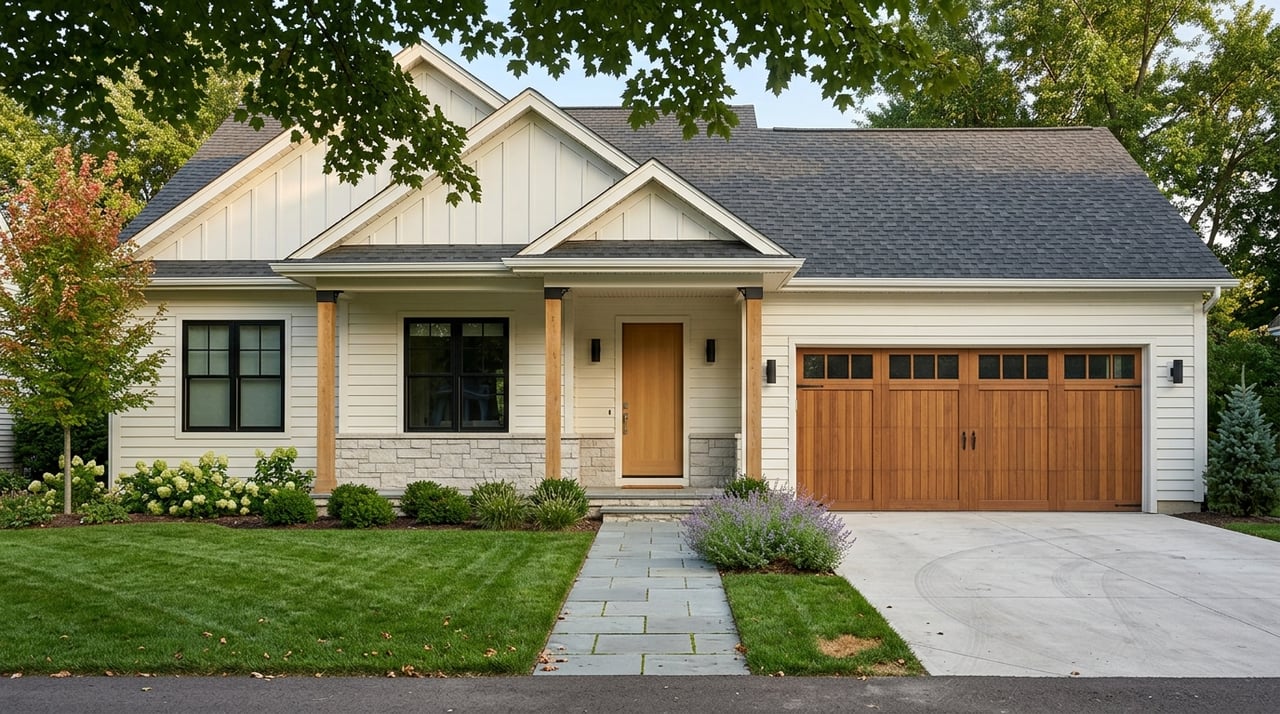
Good photography should support that same strategy. Exterior shots, the façade, front porch, windows, entry, and visible craftsmanship often do a lot of the storytelling for a historic listing.
Check permits and district rules early
Before you spend money on exterior improvements, verify whether your property is in a historic or design-review district. The city states that design review permits are required before exterior alterations on certain historic and design-review properties, and those permits are reviewed by the Heritage Preservation Commission.
Stillwater’s Building Inspections Division also notes that permits are required for many common projects, including roofing, siding, window replacement, decks, finished basements, structural changes, pools, and demolition. If a home is in the Neighborhood Conservation District, the city says new construction is reviewed for compatibility in size, massing, and relationship to the larger neighborhood context.
This matters when selling because buyers may ask what work was done, when it was completed, and whether it was properly approved. If you gather that information early, you can reduce last-minute stress and answer questions with confidence.
Gather disclosures and records before you list
Historic homes often benefit from more upfront documentation than newer properties. In Minnesota, residential seller disclosure law requires a written disclosure before the purchase agreement is signed, covering material facts you know that could adversely and significantly affect a buyer’s use and enjoyment of the property, or any intended use you know about. If you later learn the disclosure was inaccurate, you must notify the buyer in writing as soon as reasonably possible and before closing.
For older homes, two additional disclosure topics often come up quickly. Minnesota’s radon disclosure law requires written disclosure of any known radon concentrations, test results, mitigation, and remediation, and sellers must provide the state’s radon publication. Federal rules also require lead-based paint disclosure for most pre-1978 homes, and the EPA’s 2024 update requires sellers to provide specific information about known lead-based paint or lead hazards before a buyer signs a contract.
If your property is near the river or in an area where buyers may ask about flood risk, it also helps to be prepared. The city’s revised flood maps page explains that most of Stillwater is in Zone X and that owners can check a parcel through the Property Information Lookup application. The city also notes that flood insurance is available to residential owners throughout the city through the National Flood Insurance Program.
Helpful records to collect
Try to assemble these items before your listing goes live:
- Seller disclosure forms
- Radon test results and mitigation records, if any
- Lead-based paint disclosure information for pre-1978 homes
- Permit history for major work
- Dates or records for roofing, mechanicals, windows, or structural repairs
- Flood zone information, if relevant to the property
- Any documentation tied to preservation recognition or district status
The more complete your file is, the easier it is to build buyer trust.
Market the story, not just the specs
A strong historic-home listing should do more than list bedroom count and square footage. It should explain why the home matters, what makes it special, and how its character has been preserved over time.
If your property is part of the city’s Heirloom Homes and Landmark Sites program, that can add useful context in your marketing. The city says the program recognizes structures in Stillwater’s oldest neighborhoods that contribute to neighborhood character and are worthy of preservation. If applicable, that can serve as a helpful credibility signal for buyers.
You can also draw from the broader setting around the home. Stillwater’s neighborhood histories and preservation resources support a listing narrative that includes the home’s era, architectural style, original or carefully restored features, and updates that respected its character. This approach aligns with National Park Service guidance that emphasizes keeping significant features intact while allowing sensitive modernization where needed.
What buyers often want to know
When you sell a historic home in Stillwater, expect questions like these:
- Is the property in a historic or design-review district?
- What original features remain?
- Were updates completed with permits?
- How old are the major systems?
- Are radon, lead, or flood records available?
- Has the home received any local preservation recognition?
These questions are normal. In fact, they are often a sign that a buyer sees value in the home and wants to understand it fully.
Why presentation matters more for historic homes
Historic buyers are usually not looking for a blank slate. They are looking for authenticity, condition, and confidence. That is why elevated presentation matters.
Professional photography, a clear property story, organized documentation, and thoughtful pricing can help your home stand out without overselling it. In a part of the market where buyers may take more time to choose, that combination can help you protect both charm and value.
For many sellers, the goal is not to make a historic home look like every other listing. The goal is to present it so buyers understand what is rare, what has been maintained, and why it deserves attention in today’s market.
When you are ready to position your Stillwater home with premium marketing, local insight, and a calm, organized selling process, connect with the Platinum Real Estate Team. Their boutique approach combines polished presentation with hands-on guidance to help you sell with clarity and confidence.
FAQs
What makes selling a historic home in Stillwater different?
- Historic homes in Stillwater may have architectural significance, district-related review considerations, and buyer interest that goes beyond size and layout, so pricing, preparation, and documentation often need extra care.
What should Stillwater sellers check before updating a historic home?
- Before making exterior changes, you should confirm whether the property is in a historic or design-review district and whether permits or Heritage Preservation Commission review may be required.
What disclosures are important when selling an older Stillwater home?
- Sellers should be prepared with Minnesota seller disclosures, radon information, lead-based paint disclosures for most pre-1978 homes, and any relevant flood-zone or permit records.
How should a historic Stillwater home be marketed?
- The strongest marketing usually highlights the home’s architectural character, original or restored details, neighborhood context, and updates that preserved the property’s historic feel.
Can a historic home in Downtown Stillwater take longer to sell?
- It can, because available market data suggests Downtown Stillwater homes may command higher prices while taking longer to find the right buyer, which makes accurate pricing and polished presentation especially important.