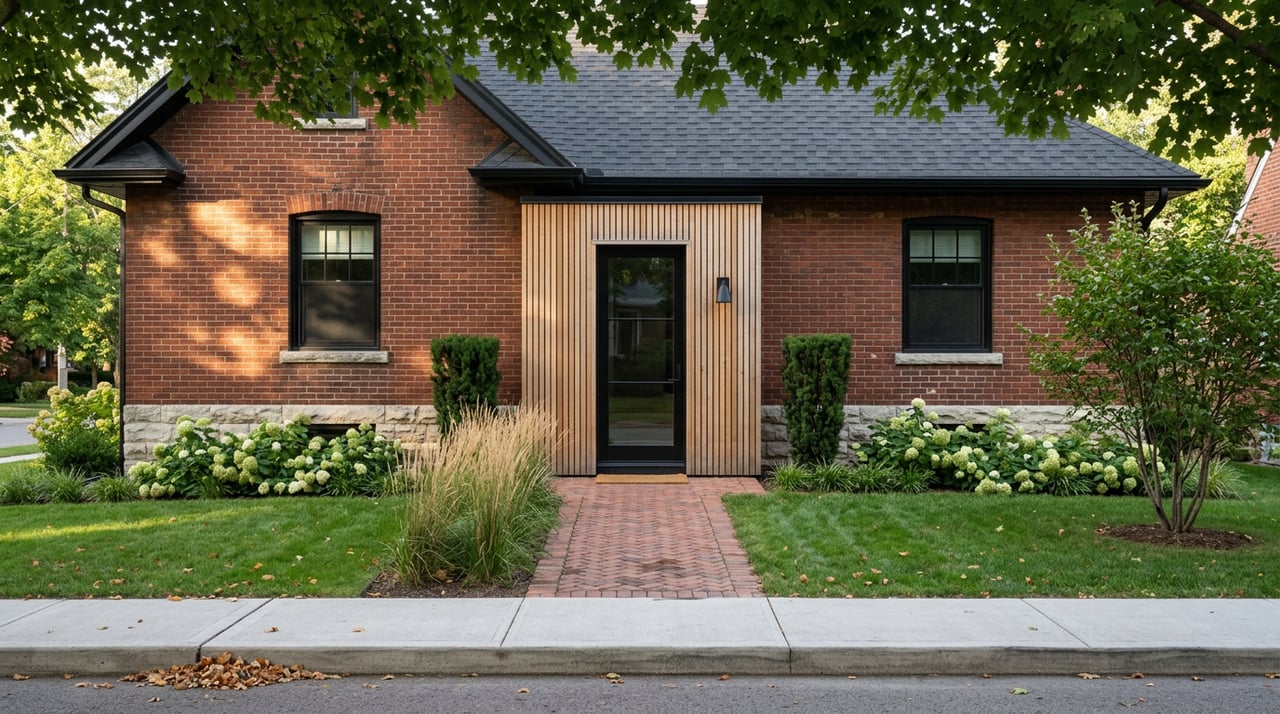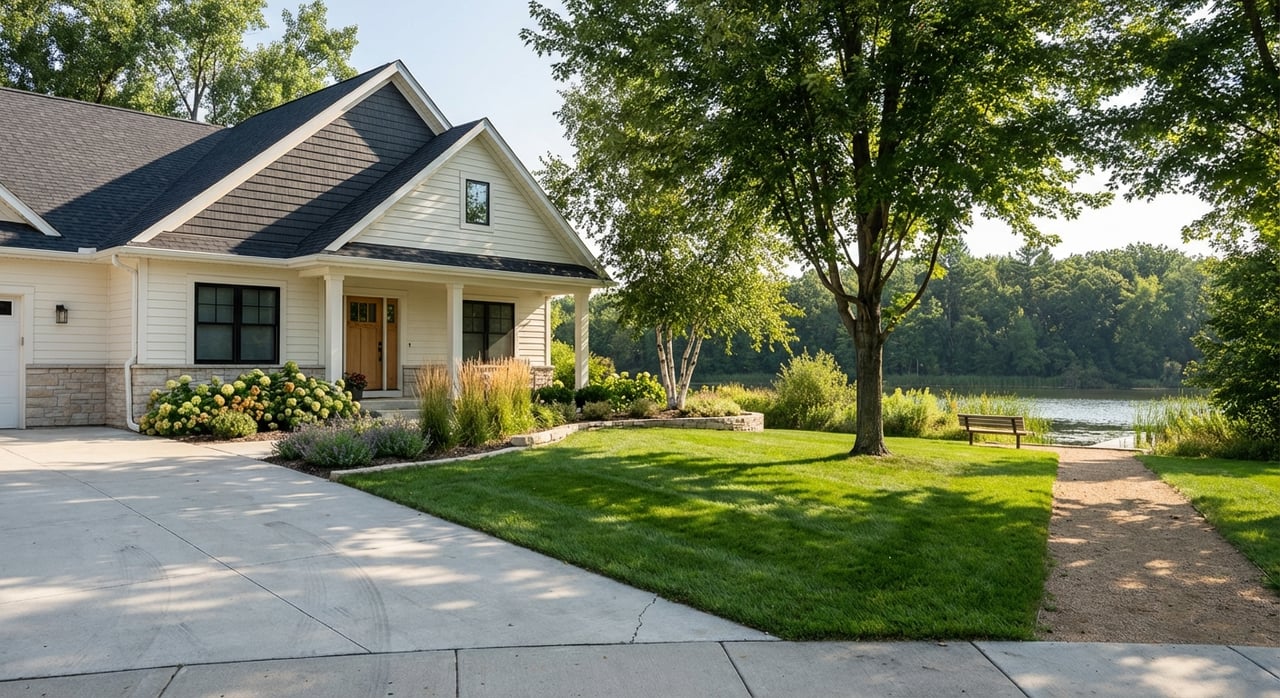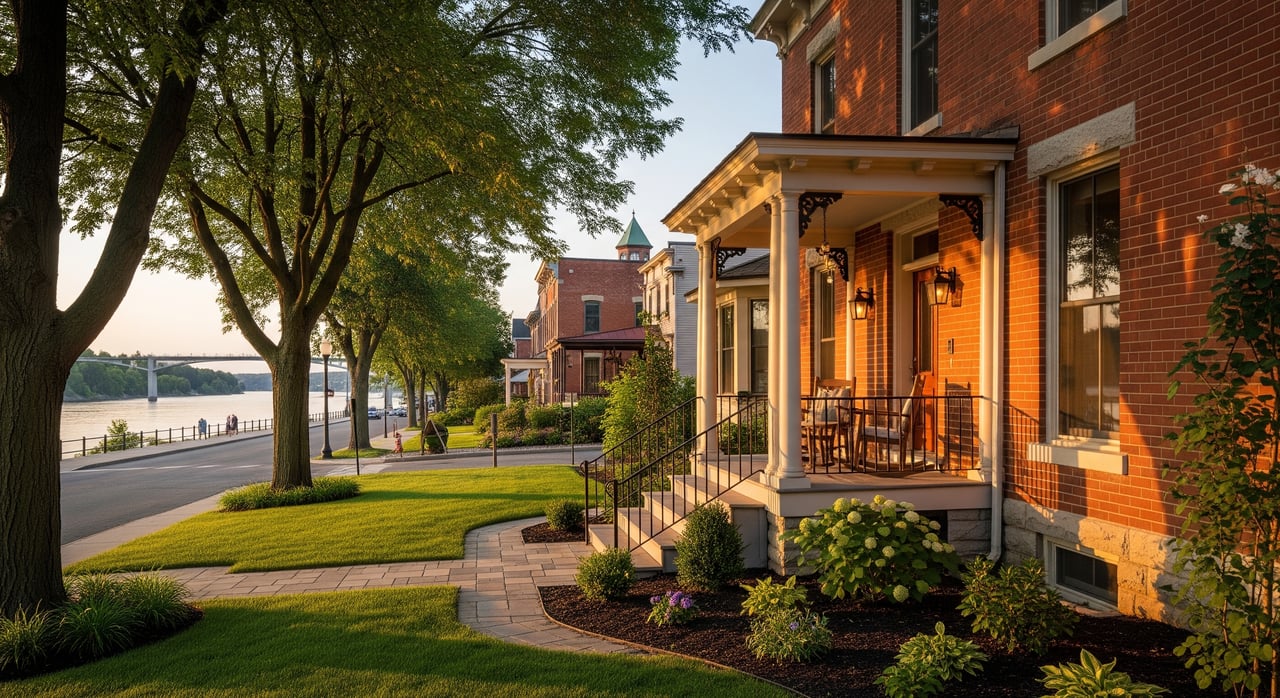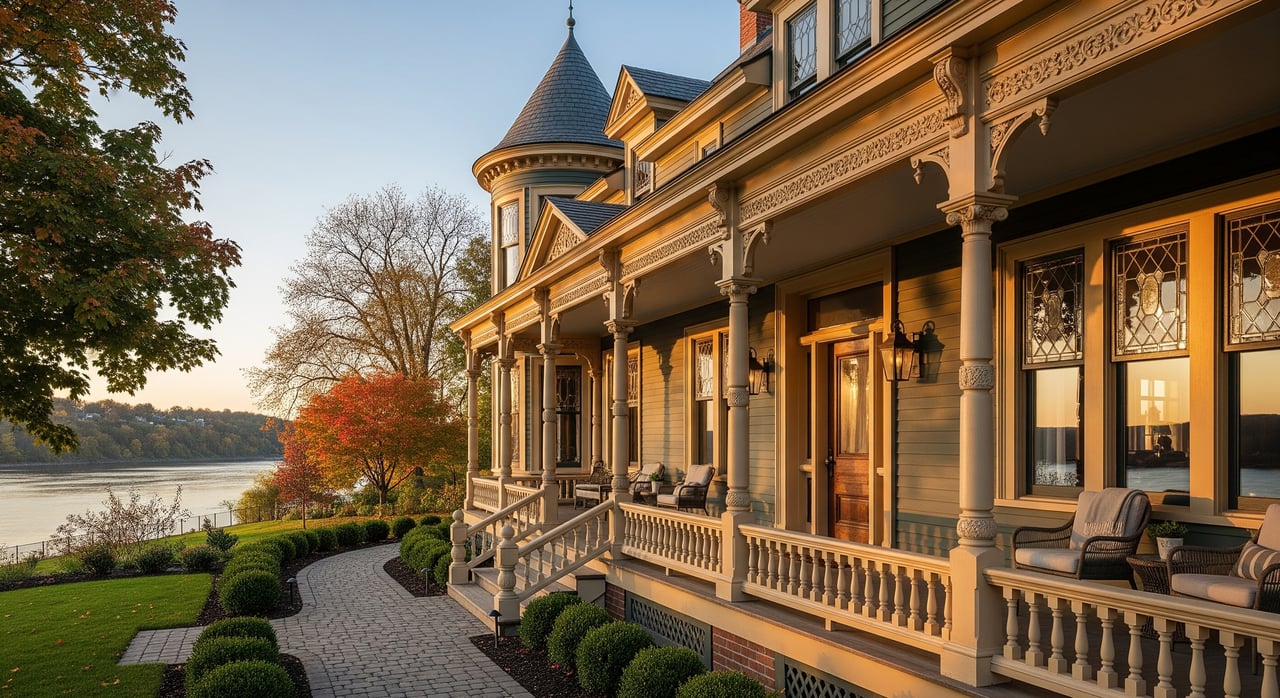
Is your Stillwater home a piece of local history? Getting it ready to sell takes a bit more care than a typical listing. You want to honor its character, protect your interests, and meet buyer expectations without overspending. This guide walks you through what to disclose, what to inspect, which repairs to prioritize, and how to present your home so it stands out. Let’s dive in.
Quick pre-listing checklist
Use this as your high-level game plan before you list.
- Gather records: deed, surveys, permits, contractor invoices, warranties, appraisals, historic designation paperwork, utility bills.
- Confirm flood status near the St. Croix; locate any elevation certificate and flood insurance records.
- Complete Minnesota seller disclosure forms; prepare the required EPA/HUD lead-based paint pamphlet and disclosures for pre-1978 homes.
- Order a general home inspection plus targeted checks (foundation/structural, sewer scope, chimney) as needed.
- Address safety items first: electrical hazards, active leaks, mold, or pests.
- Refresh curb appeal: porch and step repairs, paint touchups, clean gutters/downspouts, improve grading away from the foundation.
- Document repairs and permits; be ready to disclose any unpermitted work.
- Photograph character features (stained glass, built-ins, original trim) for marketing.
- Call City of Stillwater planning/historic staff with any questions about past or planned exterior work.
- Align list price and strategy with an agent who knows Stillwater’s historic market.
- Talk to your insurance agent about coverage, replacement-cost estimates, and any flood insurance.
Know your obligations
Historic homes often come with extra paperwork. Getting ahead of it builds trust and keeps your closing on track.
Minnesota seller disclosure
You must complete the state’s property condition disclosure for residential sales. Fill it out fully and keep copies of any documents that support what you disclose. Transparency reduces surprises during inspections and appraisal.
Lead-based paint in pre-1978 homes
Federal law requires you to provide buyers with the official lead-based paint pamphlet, disclose any known lead hazards, and give buyers a 10-day opportunity to test (unless they waive it). Collect any past paint inspections or renovation records that addressed lead so you can share them.
Historic preservation approvals
If your property is in a Stillwater historic district or has local landmark status, exterior changes visible from the street may require review and approval. Gather past permits and any certificates of appropriateness for exterior work you have done. If you are unsure whether approvals were required, contact City of Stillwater planning/historic staff before listing.
Floodplain and shoreland considerations
Homes near the St. Croix River may be in a FEMA-designated floodplain or a local shoreland overlay. Verify your flood zone, and provide any elevation certificate, flood insurance details, and notes on mitigation steps (sump pumps, backflow preventers, raised mechanicals). Buyers and lenders look for this information.
Permits and easements
Locate permits for roof replacements, electrical or plumbing upgrades, additions, and any structural work. Missing permits can slow a sale. If your property has a preservation easement or other restrictive covenant, disclose it and provide all related documentation.
Inspect first, then decide on repairs
A thoughtful inspection plan helps you prioritize what matters to buyers, safety, and financing.
Structure and foundation
Older Stillwater homes often sit on stone, brick, or early concrete foundations. Look for settling, cracked or crumbling mortar, and signs of water intrusion. If you suspect movement or structural concerns, consider a structural engineer’s opinion and keep the report handy for buyers.
Water management and roofing
Water is the enemy of old houses. Check roof age and flashing (especially around chimneys), clean gutters, and confirm downspouts discharge far from the foundation. Correct low spots and grading that slope toward the house. Small drainage fixes can prevent inspection callbacks.
Electrical and plumbing
Buyers are wary of knob-and-tube wiring, outdated fuse panels, and ungrounded outlets. If present, consult a licensed electrician and be prepared to repair or price accordingly. For plumbing, identify any galvanized supply lines or cast-iron drains near end of life. If you do not know the condition of your sewer lateral, a sewer scope is a smart pre-listing step.
HVAC and energy performance
Document furnace or boiler age, service history, and filter changes. If you upgraded thermostats or zoning, note it. Attic air sealing and insulation, weatherstripping, and quality storm windows can boost comfort without removing historic features.
Lead, asbestos, and safety
In pre-1978 homes, presume lead-based paint may exist. You must disclose known hazards; remediation is not automatically required, but addressing peeling paint and friction surfaces helps. Asbestos may be present in old insulation, wraps, and adhesives. If you know of any issues, gather lab reports or abatement records so buyers can assess risk.
Chimneys and masonry
Chimneys, brickwork, and tuckpointing are visible and can be costly. If you have had a chimney sweep or mason assess conditions, include the report. Address loose mortar, spalling, or missing caps where feasible.
Windows and exterior wood
Original windows contribute to character. If they are sticky, drafty, or missing glazing, consider professional repair and weatherstripping rather than full replacement. Preserve original trim where possible; repair deteriorated porch steps, railings, and skirting.
Moisture and pests
Basements and crawlspaces in older homes often show moisture. Add or service a dehumidifier, maintain sump pumps, and consider a vapor barrier where appropriate. If you have a history of carpenter ants, termites, or rodents, share treatment records.
Documentation buyers value
Well-organized documentation signals a well-cared-for home and supports appraisal.
- Permit history and inspection finals for renovations.
- Contractor invoices and warranties for roof, HVAC, electrical, plumbing, and chimney work.
- Structural reports, sewer scope videos, and chimney sweep reports.
- Historic materials: original plans, historic survey forms, past appraisals, and any nomination or district-contributing documents.
- Restoration records and photos of stained glass, built-ins, millwork, or period lighting.
- Energy upgrades, rebate paperwork, and utility bills to demonstrate efficiency.
Smart improvements that respect character
Aim for the sweet spot: protect health and safety, reduce buyer objections, and showcase historic beauty.
Prioritize safety and code items
Fix known electrical hazards, active leaks, and trip risks on steps or porches. These items can derail financing for some loan types and are top inspection concerns.
Preserve original features
Refinish wood floors, tune up historic windows, and refresh period hardware. Thoughtful paint and lighting can make millwork and plaster details shine without major expense.
When to replace
If knob-and-tube wiring or failing galvanized pipes are widespread, replacement may be the best move. When replacing windows or exterior elements, match profiles and materials where practical to maintain curb appeal and value.
Staging and photography
Stage rooms to highlight mantels, built-ins, and tall windows. Remove heavy drapes that block light. Professional photography and measured floor plans help buyers understand the home’s flow and the craftsmanship that sets it apart.
Pricing and positioning
Price with recent Stillwater comps in mind, adjusted for documented improvements and maintenance. In your listing, emphasize the home’s age and style, preserved features, and proximity to the river and downtown amenities. For buyers who prioritize low maintenance, spotlight system upgrades and energy improvements.
Stillwater specifics to verify
Ground your listing in accurate local context so buyers feel confident.
Historic district or landmark status
Confirm whether the property is in a City of Stillwater historic district or designated locally. Gather any certificates of appropriateness for exterior work and be ready to explain the review process in simple terms.
River proximity and flood insurance
If you are near the St. Croix, verify flood zone status and insurance needs. Provide elevation certificates if available, plus details on mitigation steps and any claims history.
Local professionals and trades
Older homes benefit from the right expertise. Consider hiring inspectors, engineers, and contractors familiar with Minnesota’s climate and historic materials, especially for masonry, woodwork, and window restoration.
Next steps
If you start now with disclosure prep, targeted inspections, and a few focused improvements, you will save time later and position your Stillwater home to sell with confidence. Our team pairs premium marketing with disciplined operations, so your home’s story and condition are clear to buyers from day one.
Ready for a tailored plan and pricing strategy? Request Your Complimentary Home Valuation from the Platinum Real Estate Team.
FAQs
Do I have to fix everything before listing a historic Stillwater home?
- No. Focus on health and safety issues, water intrusion, and items likely to affect financing or inspection contingencies; cosmetic or preservation-sensitive work can be negotiated.
How do lead-based paint rules affect my pre-1978 Stillwater home sale?
- You must provide the federal lead pamphlet, disclose known hazards, and allow a 10-day testing period unless waived; remediation is not required unless an immediate hazard exists.
Will historic designation make it harder to sell in Stillwater?
- Historic status does not prevent a sale; it may affect exterior changes after closing, so disclose the designation and share any permits or approvals to educate buyers.
Should I repair or replace original windows before listing?
- Repair is often preferred to preserve character; professional restoration and quality storms can improve comfort, while full replacement should match historic profiles if necessary.
How do St. Croix River flood concerns impact marketability and financing?
- High-risk flood zones may require flood insurance and can influence loan options; provide elevation certificates, insurance details, and mitigation steps to support buyer and lender decisions.