You wake up to the sound of gulls on the St. Croix, grab a coffee, and stroll a few blocks to the river. That is a normal morning when you live near downtown Hudson. If you want small-town charm with easy access to Twin Cities work and culture, this neighborhood fits well. In this guide, you’ll learn what day-to-day life looks like, from walkability and dining to boating, seasons, and key buyer tips. Let’s dive in.
Riverfront walkability at your doorstep
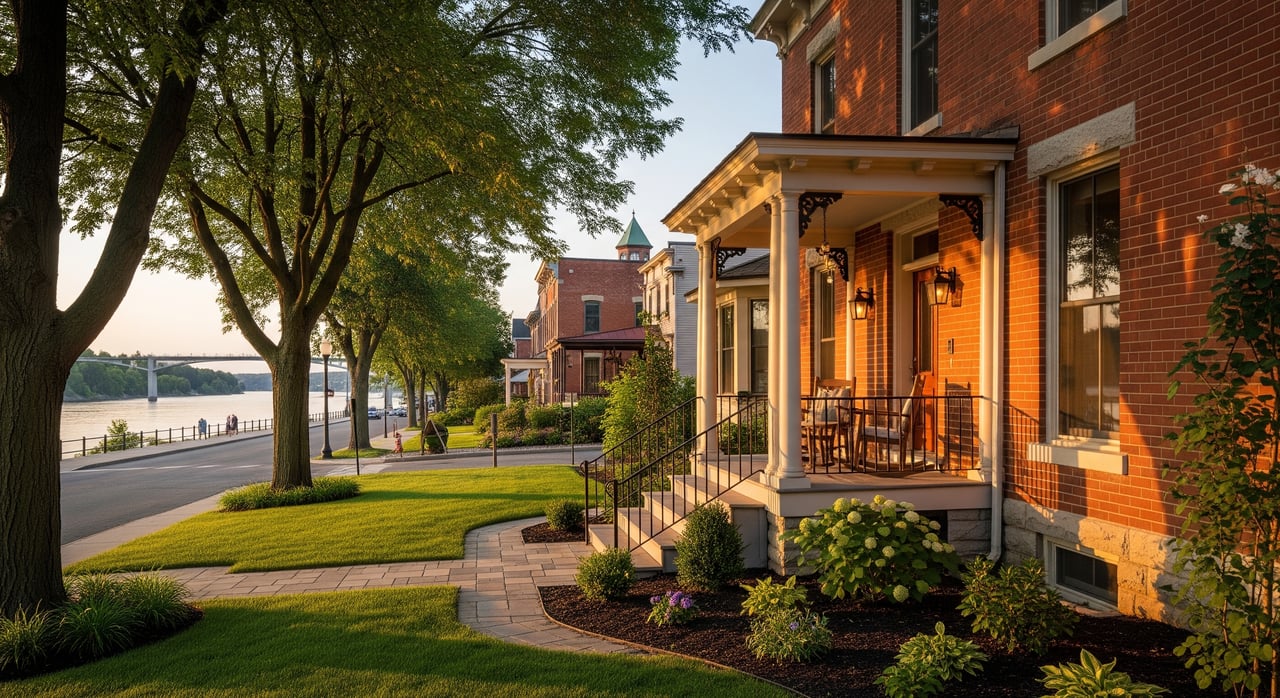
Living close to Hudson’s historic core means you can walk to most daily needs. The downtown blocks are compact, with sidewalks, crosswalks, and a steady flow of people heading to shops, galleries, and restaurants. Riverfront parks and paths give you quick access to benches, viewpoints, and seasonal activity on the water.
You live beside a nationally protected resource. The adjoining St. Croix River is part of the St. Croix National Scenic Riverway, which guides conservation and recreation along the shoreline. That protection helps keep the river corridor beautiful and active while shaping how docks, shoreline work, and boating are managed.
Getting around and parking
Walking is easy for errands and dining, and many residents still keep a car for regional trips. Municipal lots and on-street parking serve the downtown area, with posted time limits in some locations. For current maps, rules, and permits, check the City of Hudson.
Dining, coffee, and daily errands
Downtown Hudson packs a lot into a few streets. You will find full-service restaurants, casual taverns, independent coffee shops, bakeries, galleries, boutiques, and antique stores. Many businesses expand hours in late spring through early fall and may shorten hours in winter. It is smart to check listings before you head out on a snowy night.
For groceries, you can reach full-service stores within a short drive of downtown. In peak season, a local farmers market adds fresh produce and specialty goods. For current schedules and vendor updates, follow the current events calendar for downtown Hudson.
Seasons in Hudson
Summer is the showpiece. Boating, paddling, and river views are a daily backdrop, and patios fill up. You will see festivals, outdoor music, and busy sidewalks. Fall brings crisp walks, harvest markets, and colorful bluffs. Winter shifts the pace. Expect snow, holiday lights, and calmer streets. Many core businesses stay open year-round, but hours can vary.
For dates and details on festivals, parades, art events, and holiday traditions, the Chamber’s tourism site keeps the official lineup on the Hudson events calendar.
Boating and river culture
If you love the water, living near downtown keeps you close to launches, marinas, and outfitters that serve the St. Croix season. Powerboaters, paddlers, and anglers share the river from late spring through early fall. Quiet zones, no-wake areas, and safety rules help balance fun with shoreline protection.
- Learn the conservation framework and recreation tips from the St. Croix National Scenic Riverway.
- Review safety gear, no-wake guidelines, and access points through the Wisconsin DNR boating rules and access information.
Anglers target bass, walleye, northern pike, and more. Seasons and limits vary by species and location, so confirm details with the DNR before you head out.
If you boat, verify before moving:
- Exact public ramp and marina locations, hours, and fees.
- Short-term dock tie-up rules and any time limits.
- No-wake zones and seasonal advisories.
- Permit steps for private docks or any shoreline work.
A day in the life near downtown
Morning: You grab a latte, then take a riverside walk as boats idle out for the day. If you work in the Twin Cities, you can drive I-94 toward St. Paul or Minneapolis. Many neighbors commute that way and enjoy coming home to a quieter river town.
Afternoon: You take a break at the park, browse a gallery, or meet a friend for lunch. On a nice day, you watch kayakers and cruisers pass by from a shady bench.
Evening: Dinner is an easy walk, followed by a loop along the river for sunset. On weekends, you might hit the farmers market, bike regional trails, or plan a day on the water.
Practical considerations for buyers
Housing types near downtown
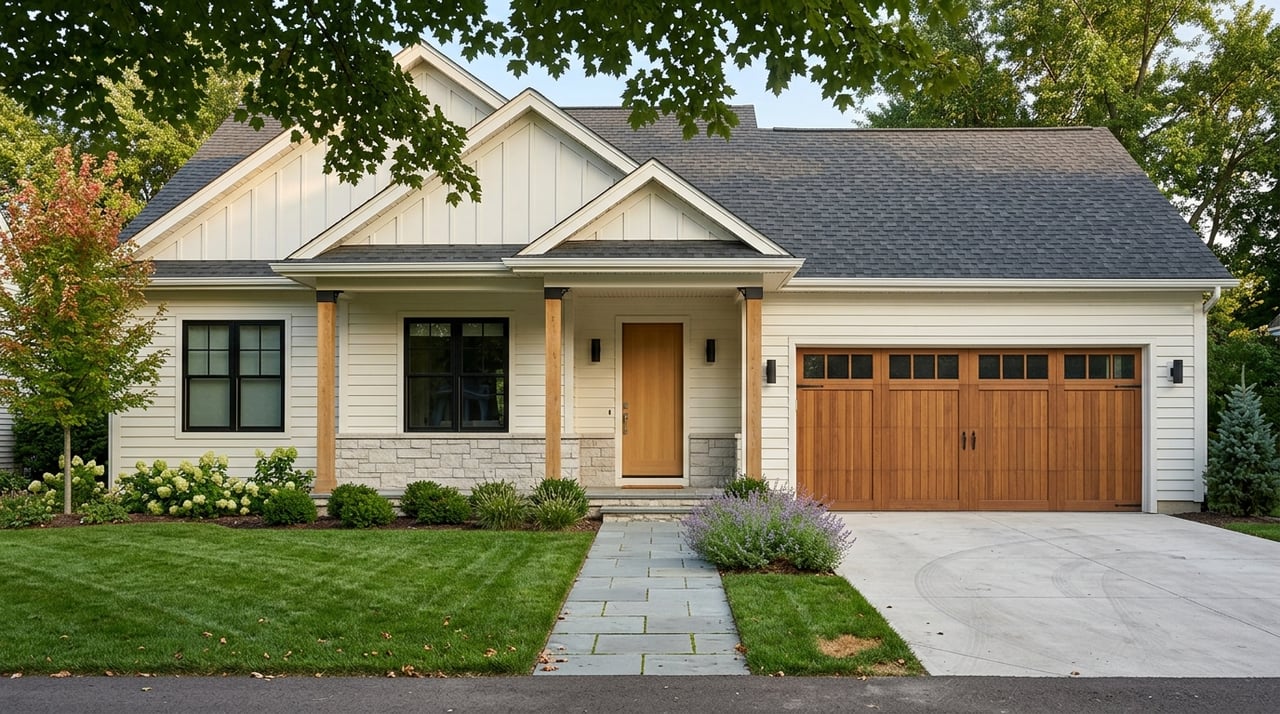
You will see older single-family homes on compact lots, some with historic charm. There are also in-town duplexes, small multifamily buildings, riverfront properties, and a few condos or infill developments. Inventory changes quickly, and prices reflect condition, river proximity, and lot size.
Trade-offs to weigh
Living close to the core boosts walkability and access. It can also mean smaller yards, on-street parking, and more foot traffic in peak season. Events bring great energy, along with occasional street closures and busier weekends. Decide what balance of convenience, privacy, and activity feels right for you.
Flood risk and insurance
River-adjacent parcels can fall within mapped flood zones. Before you buy, check the FEMA Flood Map Service Center for the parcel’s status. If a home is in a regulated flood zone and financed by a lender, flood insurance may be required. Even outside high-risk zones, many riverfront owners choose coverage for peace of mind. For shoreline permits or dock questions, coordinate with the city and review Riverway guidelines through the National Park Service.
Commute and transportation
Hudson sits on the I-94 and Highway 12 corridor, which makes a car commute to St. Paul or Minneapolis feasible. Travel time varies by exact destination and traffic. Check real-time routes with your mapping app and explore flexible work hours if possible. For regional road conditions and travel updates, use the Wisconsin DOT.
Schools, childcare, and healthcare
Homes near downtown are served by the Hudson School District. Verify current boundaries directly with the district before you buy. Childcare availability can tighten in smaller communities, so plan for waitlists. Hudson also has local clinics, with the Twin Cities metro nearby for specialty care.
Safety and community services
Downtowns in small cities often report lower violent crime than large urban cores, although property and seasonal visitor-related incidents can occur. Review recent trends on the FBI Crime Data Explorer and contact local law enforcement for neighborhood-level context.
Utilities, internet, and mail
Most in-town properties connect to municipal water and sewer. Confirm broadband options by address, since speeds can vary by provider and block. Some downtown homes share dumpsters or private trash service, while others use municipal curbside pickup.
Taxes and cost of living
Property taxes include state, county, and local levies. Check current rates and parcel details through St. Croix County. Wisconsin’s base state sales tax is 5 percent, with local additions possible. Plan for winter costs like heating and snow removal in your annual budget.
Who loves living here
- You want riverfront access and walkable dining in a small-city setting.
- You like the idea of a lively summer season with festivals and patio nights.
- You commute to the Twin Cities but want a slower pace at home.
- You prioritize outdoor recreation, from boating to morning runs by the water.
Next steps and local resources
Before you make a move, use these sources to verify details for your specific address and lifestyle:
- Explore conservation, recreation, and shoreline guidance on the St. Croix National Scenic Riverway.
- Confirm boating rules, safety, and access via the Wisconsin DNR boating page.
- Check parcel flood status at the FEMA Flood Map Service Center.
- Review parking, permits, and city services with the City of Hudson.
- See taxes and property records at St. Croix County.
- Browse events, markets, and festivals on the Hudson Chamber and tourism calendar.
- Look up safety data on the FBI Crime Data Explorer.
- Plan commutes and road conditions through the Wisconsin DOT.
Thinking about buying or selling near downtown Hudson? Reach out to the Platinum Real Estate Team for local guidance, neighborhood insights, and premium marketing when it is time to list. Request Your Complimentary Home Valuation.
FAQs
Is downtown Hudson walkable for daily needs?
- Yes. The historic core is compact, so you can usually walk a few blocks to coffee, restaurants, shops, parks, and the river. Confirm exact distances from any home you are considering.
How close is the river and can I launch a boat?
- Many homes near downtown are a short walk to riverfront parks. For launch sites, fees, and tie-up rules, check the City of Hudson and review boating guidance from the Wisconsin DNR.
Is riverside living in Hudson flood-prone?
- Some river-adjacent parcels lie in FEMA flood zones. Always check the FEMA Flood Map Service Center, ask about a property’s flood history, and get insurance quotes early.
What is the commute to the Twin Cities like from Hudson?
- Many residents drive I-94 toward St. Paul or Minneapolis. Times vary by destination and traffic. Test your route at peak hours and use the Wisconsin DOT for travel updates.
Do restaurants and shops stay open in winter in downtown Hudson?
- Core businesses operate year-round, though some reduce hours in colder months. Check the Hudson events calendar and business listings for current hours.
Is it noisy or touristy in summer near downtown Hudson?
- Summer brings festivals, boating, and more visitors, which creates a lively scene and occasional crowds. If you prefer quieter evenings, consider streets a few blocks off the main activity.