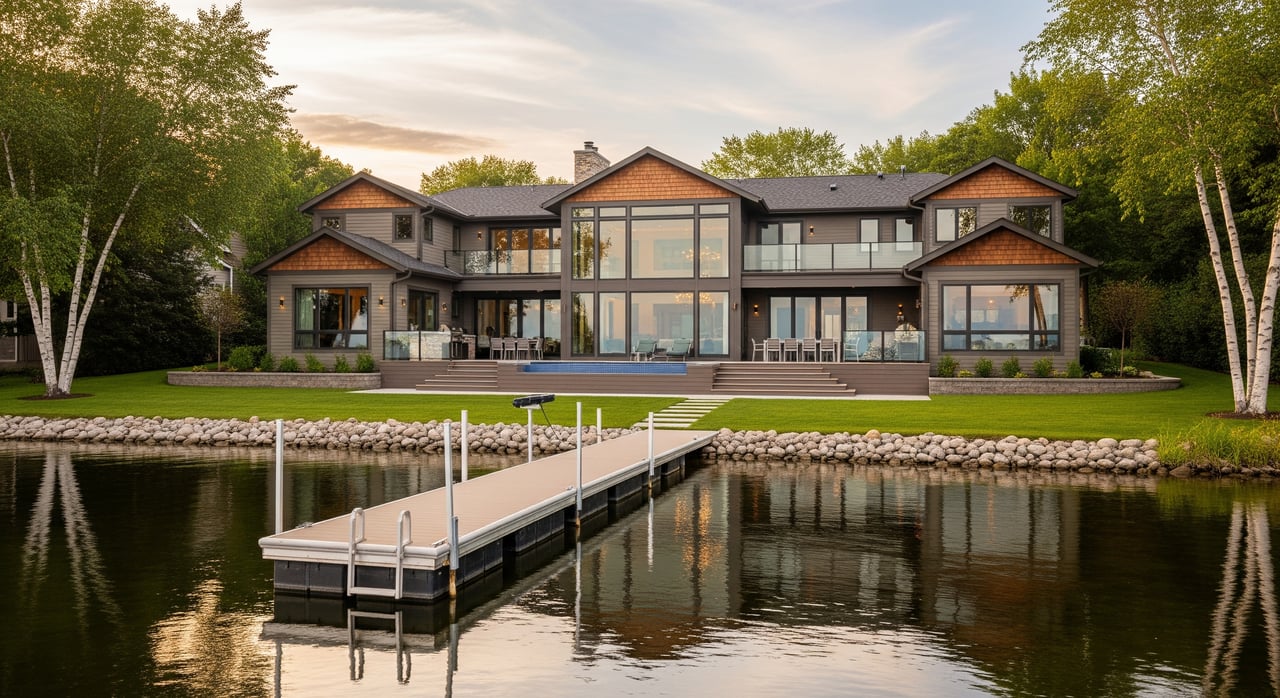
Thinking about selling your Lake Elmo lake home or simply boosting its value? Not every project pays you back at closing, but the right upgrades can shorten time on market, attract stronger offers, and remove deal-killing risks. In Lake Elmo, buyers prioritize outdoor access to the water, reliable systems that handle Minnesota winters, and compliant shoreline conditions. This guide shows you which improvements matter most, what to do first, and how to plan your timeline so you see real returns. Let’s dive in.
What Lake Elmo buyers want
Outdoor living and water access
You are selling a lifestyle as much as a property. Buyers look for easy access to the lake and spaces that support outdoor living. Usable docks, solid lifts, well-designed decks, and inviting lakeside seating areas typically make your home stand out. Paths and stairs that are safe and stable on sloped lots help buyers picture daily life on the water.
Comfort and efficiency in winter
In a cold-climate market, year-round comfort matters even for seasonal buyers. Energy-efficient windows and doors, good insulation, and reliable heating systems reduce drafts and utility costs. When buyers feel warm and comfortable during a showing, they connect with the space faster and worry less about future operating costs.
Systems and compliance
Waterfront buyers pay close attention to risk. They want a functioning septic system and clean well tests, stable shorelines, and documented permit compliance for docks or shoreline work. When you can show records and readiness, you protect your sale price and minimize renegotiations.
Interior upgrades with strong ROI
These projects usually deliver the best blend of appeal, cost control, and resale value in cold-climate lake homes.
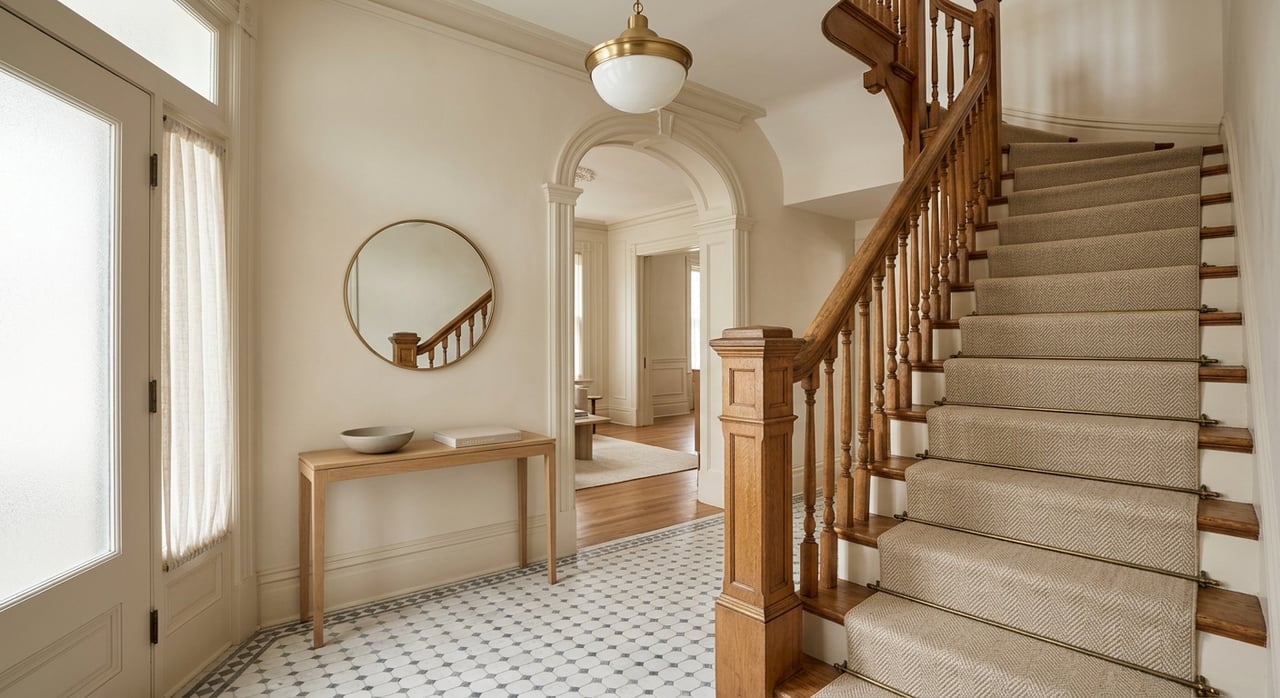
- Fresh paint and flooring. A clean, neutral palette and refinished hardwoods or quality LVP instantly elevate the feel. These are quick, lower-cost wins that support professional photos and showings.
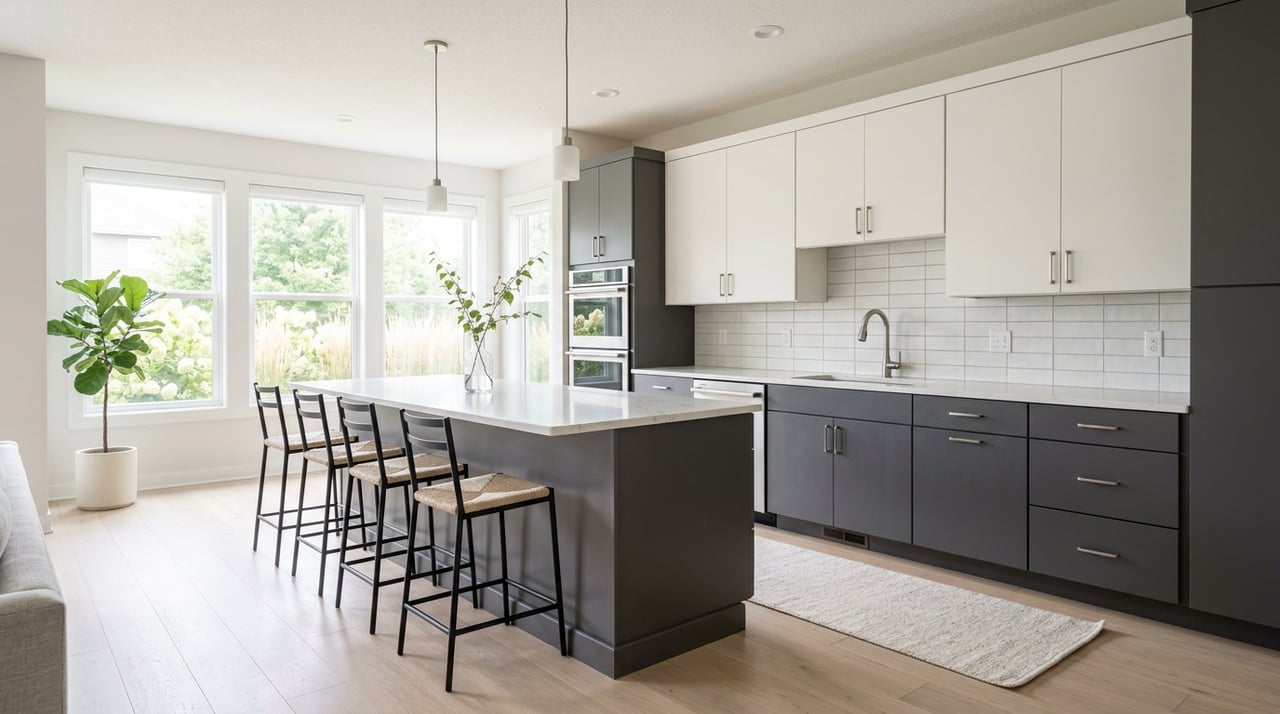
- Minor kitchen refresh. Consider cabinet refacing, new counters, updated fixtures, and modern appliances. Midrange kitchen updates are visible and often recoup a solid portion of cost at resale.
- Bathroom improvements. New vanities, lighting, regrouting, and modern fixtures bring a fresh, spa-like feel without a full gut.
- Window and exterior door upgrades. Energy-efficient windows and doors improve comfort and reduce drafts. They also frame the lake view, which is a key selling point.
- Insulation and heating. Attic and rim-joist insulation, air sealing, and replacing an aging furnace or installing a cold-climate heat pump can improve comfort and attract energy-conscious buyers.
- Basement finishing. If dry and code-compliant, finishing adds usable living area. Make sure you have proper egress, moisture control, and insulation before starting.
Tip: Prioritize projects that show well in photos and open houses while improving daily comfort. Buyers often choose between similarly priced homes based on presentation and peace of mind.
Lake-specific exterior upgrades
For lake homes, outdoor and shoreline improvements can be decisive. These often influence how quickly you sell and whether you protect your price.
Docks and lifts
A safe, functional dock with the right configuration for the shoreline is a major selling factor. If you already have a dock or lift, ensure it is in good working order and visually clean. If you are adding or expanding, confirm what is allowed on your lot before you buy.
Shoreline stabilization and buffers
Healthy shoreline conditions reduce erosion, improve water quality, and can be a selling point. Many lots benefit from native plant buffers or bioengineered solutions like coir logs and live stakes. Hard stabilization, such as riprap or seawalls, may be necessary in some cases but usually requires permits and can be expensive.
Decks, patios, and lakeside spaces
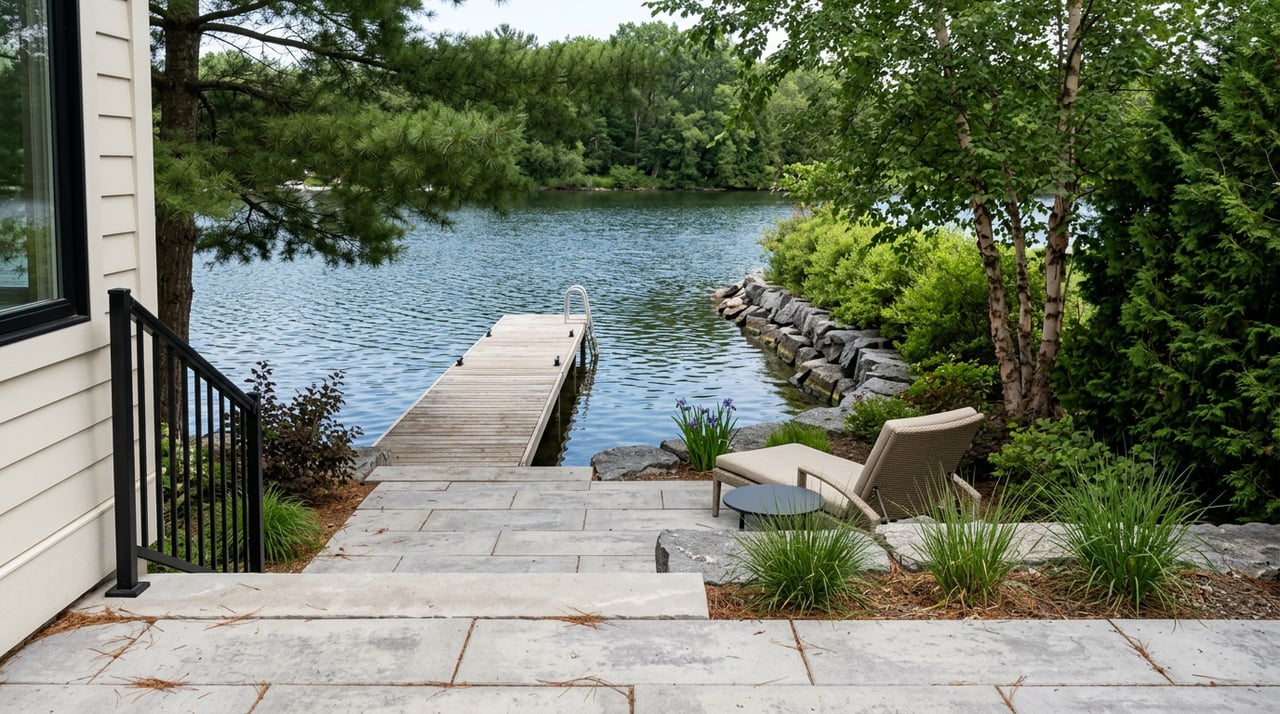
Outdoor gathering areas that maximize the view can feel like a square-footage boost. A composite deck or stone patio reduces maintenance. Lakeside seating, a fire area where permitted, and well-placed lighting help buyers imagine evenings by the water.
Safe paths and smart storage
On sloped sites, stable stairs or a well-drained path with erosion control make access safer and easier. Storage for water gear, a mudroom zone, or covered space for a boat or ATV keeps the property organized and buyer-friendly.
Permits, septic, and risk management
Upgrades near the shoreline come with rules that affect cost and feasibility. Doing it right protects your sale.
Shoreland rules and permits
Shoreland zoning in Minnesota is administered by counties and cities. In Lake Elmo and Washington County, projects like dock installation, shoreline vegetation changes, and structural stabilization often require permits and may involve the Minnesota DNR. Check with local planning and zoning staff before you start. Getting approval upfront avoids delays and rework later.
Septic systems and wells
Many lake properties use private septic systems and wells. A failing or undocumented septic system can stop a sale or lead to major credits. Order a septic inspection and well tests if records are outdated. Be ready for repair or replacement estimates when systems are near end of life. Buyers gain confidence when you provide clear documentation.
Floodplains and insurance
Some lake parcels sit within FEMA flood hazard zones, which may trigger lender-required flood insurance and restrict certain improvements. Confirm your flood zone and ask the local floodplain administrator about any elevation or building constraints before you plan new structures.
Incentives and conservation programs
Local soil and water conservation districts often provide technical support and cost-share for shoreline restoration and native plantings. Using native vegetation, permeable surfaces, and low-impact drainage designs can smooth permitting and add eco-friendly appeal to your listing.
Costs, ROI, and timing
Return on investment depends on market conditions, the quality of work, and how well the project meets buyer expectations. In general, midrange interior projects recoup a meaningful share of cost, while well-executed lake-specific upgrades can strengthen marketability and reduce time on market.
Typical cost and payoff guidance:
- Interior cosmetics. Paint, flooring, lighting, and hardware are lower-cost and often provide a strong visual return.
- Kitchens and baths. Midrange updates are visible and helpful for resale, though they may not fully recoup cost.
- Windows and doors. Moderate-to-higher cost with comfort and curb appeal benefits.
- Decks and patios. Moderate cost with high lifestyle impact for lake buyers.
- Docks and lifts. Wide cost range depending on type and site conditions; strong influence on desirability.
- Shoreline stabilization. Costs vary from modest native buffers to high for engineered solutions. Permits and design add time.
- Septic replacement. A larger expense that protects value and reduces contract risk.
Quick wins: 1 to 6 weeks
- Declutter and deep clean inside and out.
- Repaint main areas in light, neutral tones.
- Refresh landscaping, remove debris, and trim selectively to preserve views while maintaining healthy shoreline vegetation.
- Clean and repair the dock and visible exterior wear.
- Address safety items like loose railings or uneven steps.
Short projects: 1 to 3 months
- Kitchen and bath refreshes.
- Window or exterior door replacements.
- Deck repair or resurfacing.
- Shoreline clean-up and native plantings in the proper season.
Long projects: 3 to 12+ months
- Septic system replacement.
- New or expanded dock with permitting.
- Engineered shoreline stabilization.
- Major kitchen renovation.
Seasonality matters. In-water work is typically limited to warmer months and sometimes specific ecological windows. Start planning early if your goal is to hit the spring or summer market.
A step-by-step plan for sellers
- Confirm shoreland rules. Call Lake Elmo and Washington County planning to understand what is allowed on your lot and what needs permits.
- Inspect septic and test the well. If records are missing or outdated, get professional inspections now and collect documentation.
- Prioritize safety and function. Fix obvious issues first: dock safety, erosion, drainage, and moisture control.
- Tackle visible refreshers. Paint, flooring touch-ups, lighting, and staging deliver outsized impact in photos.
- Improve outdoor living. Upgrade a deck, define a lakeside seating area, or stabilize a path down to the water.
- Get multiple bids. For big projects like docks, shoreline work, or septic, request two to three local quotes and check references for lake experience.
- Plan your timeline. Align projects with weather, contractor schedules, and your target list date.
- Document everything. Keep permits, warranties, maintenance logs, and inspection reports ready for buyers.
Work with a local advisor
Preparing a lake home is part design, part engineering, and part paperwork. You deserve a team that understands shoreland rules, buyer preferences, and premium presentation. If you are considering upgrades before listing or want a tailored plan for your Lake Elmo property, connect with the Platinum Real Estate Team. We will help you prioritize projects that add value, coordinate trusted local pros, and position your home to shine.
Ready to discuss your Lake Elmo timeline and strategy? Contact the Platinum Real Estate Team for a complimentary home valuation and a custom upgrade plan.
FAQs
What upgrades add the most value to Lake Elmo lake homes?
- Focus on functional dock access, stable shoreline with native buffers, outdoor living areas, energy-efficient windows and doors, and well-presented kitchens and baths.
Do I need permits in Lake Elmo for dock or shoreline work?
- Often yes. Shoreland zoning is enforced locally, and some projects also involve the Minnesota DNR. Confirm requirements with city and county staff before starting.
Should I replace a failing septic system before listing a lake home?
- Yes if it is failing or unpermitted. A functional, documented system protects your price and reduces contract risk, since buyers often require inspections and repairs.
Are seawalls a good investment for shoreline in Washington County?
- Only when necessary for erosion control and property protection. They are costly and permit-heavy. Many sites benefit from bioengineered stabilization and native plant buffers.
How should I time projects if I want to sell in spring?
- Complete quick wins in winter, schedule dock and shoreline work for permitted warm months, and finish interior refreshes 30 to 60 days before listing for maximum impact.